
Is Character AI the Future of Digital Roleplay?
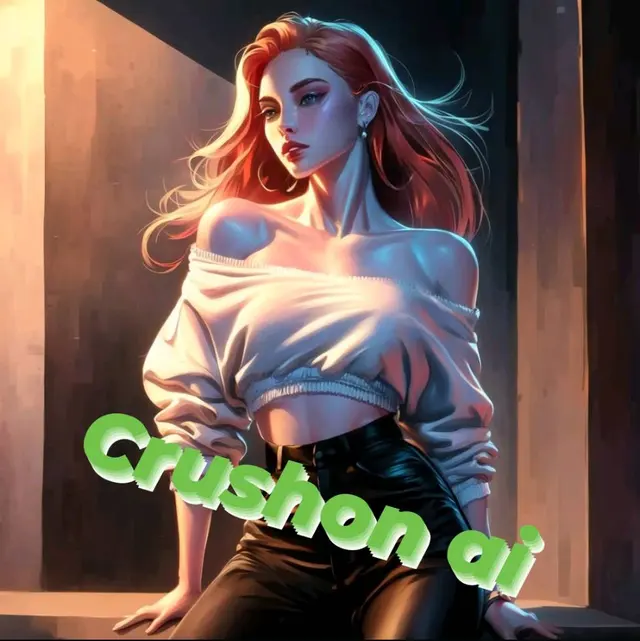
Character AI may become one of the most important platforms in digital roleplay because it combines generative AI, user-created characters, and interactive storytelling. Unlike traditional roleplay systems, AI characters can generate responses in real time, remember conversation details, and adapt their personalities. Character AI had more than 20 million monthly active users by 2025, while AI companion applications reached 220 million downloads globally, with downloads increasing 88% year-over-year in the first half of 2025. The growth shows that users are moving from passive entertainment toward personalized conversations where they influence the story direction.
Digital roleplay has existed for decades through forums, tabletop games, and online communities, but AI has changed the speed and accessibility of the experience. Before generative AI became widely available after 2020, roleplay depended heavily on human partners, fixed game scripts, or manually written stories. Modern AI models can analyze previous messages, follow character descriptions, and produce different responses based on user choices.
“AI roleplay changes storytelling from a prepared experience into a conversation that develops through interaction.”
Character AI represents this shift because users can create fictional personalities without programming skills. A character can be designed with a background, personality style, speaking pattern, and specific goals. A fantasy warrior, detective, historical figure, or original fictional character can begin interacting within minutes.
The expansion of AI roleplay is connected with the growth of the AI companion market. According to Appfigures data reported in 2025, there were 337 active revenue-generating AI companion applications worldwide, and 128 of them were released during 2025. The category generated $82 million in consumer spending during the first half of 2025 and was expected to exceed $120 million for the full year.
These numbers show that users are not only interested in general AI assistants but also in specialized characters designed for entertainment and personal interaction. The difference comes from personality. A normal chatbot answers questions, while an AI roleplay character is expected to maintain a consistent identity during conversations.
This identity-building process is one reason Character AI attracts writers, gamers, and creative users. Writers can test dialogue between characters before completing a story. Game developers can explore personality ideas before building complete game systems. Fans can interact with fictional worlds in ways that traditional movies or books cannot provide.
A 2025 analysis of Character AI examined 2.1 million English-language character prompts created by around 1 million users, showing how large-scale user-generated character creation has become. The research found that the platform represents a new form of online interaction where users combine generative AI with community-created content.
The creative process also changes because AI reduces the time needed to generate scenarios. A user does not need to write several pages of dialogue before starting a roleplay session. They can describe a situation, choose a character, and develop the story through messages.
For example, a writer creating a science-fiction character can test different personalities:
| Character setting | Traditional method | AI roleplay method |
|---|---|---|
| Background creation | Manual writing | User description + AI generation |
| Dialogue testing | Requires another writer | Instant interaction |
| Story variation | Limited by prepared scripts | Multiple possible directions |
This flexibility makes AI roleplay attractive to people who enjoy storytelling but do not have access to writing partners.
The next development area is memory. Current AI roleplay systems are improving their ability to remember user preferences, past events, and character relationships. A character that remembers previous conversations can create a more continuous experience compared with traditional chatbots that restart every session.
However, memory also creates technical challenges. AI characters must balance consistency with creativity. If responses become too predictable, conversations may feel repetitive. If responses change personality too often, the character may feel unrealistic.
“A successful digital character needs both stability and the ability to respond differently in new situations.”
Voice interaction, visual avatars, and virtual environments may further expand AI roleplay. In 2025, many AI platforms began adding voice features because users wanted conversations that felt closer to natural communication. Some applications are also exploring 3D characters and game-style environments.
The connection between AI roleplay and gaming is especially strong. Traditional games often use scripted dialogue, meaning every player receives similar conversations. AI-generated characters could create different interactions for each player based on previous choices.
This could change character design in future games. Instead of creating thousands of possible dialogue lines manually, developers may build systems where characters generate conversations based on personality rules and story conditions.
Another growing area is personalized adult and relationship-oriented AI interaction. Platforms such as https://crushon.ai/ai-porn-chat services show that some users are interested in more private and personalized AI conversations. This part of the market has expanded alongside broader AI companion applications, although it also raises discussions about safety, privacy, and responsible design.
Research into AI companions shows that users often appreciate human-like responses, constant availability, and personalized conversations. A 2025 study analyzing 1,131 users and 4,363 chat sessions containing 413,509 messages examined how people interact with AI companions and found that interaction style and personal disclosure influence user experiences.
The future of digital roleplay will depend on how companies improve both technology and user experience. More advanced models may provide better emotional expression, stronger memory, and more realistic dialogue. At the same time, platforms need clear rules for privacy, age protection, and content management.
Character AI is unlikely to replace human creativity because human writers still create the ideas, personalities, and worlds that make roleplay interesting. AI provides another tool for expanding those ideas through faster interaction and more flexible storytelling.
“The future of digital roleplay may not be about replacing human imagination, but about giving imagination a new interactive space.”
As AI technology develops, digital characters may become a regular part of entertainment, education, games, and creative work. The transition from scripted characters to conversational characters has already started, and platforms like Character AI show how users are beginning to expect digital worlds to respond, remember, and evolve with them.
admin
Field contributor · Jungle Life
Reporting from the canopy and the trailhead. Every itinerary published here has been walked, packed, and tested by the byline attached to it.
About the author →Free Field Guide · Weekly
Route-tested itineraries, vetted outfitters, original conservation reporting.
Join 38,400 expedition planners who receive our Friday dispatch — no filler, no motivational fluff.
Get the Free Field Guide